
from the studio

AN ARTICLE BY ALLY TAYLOR
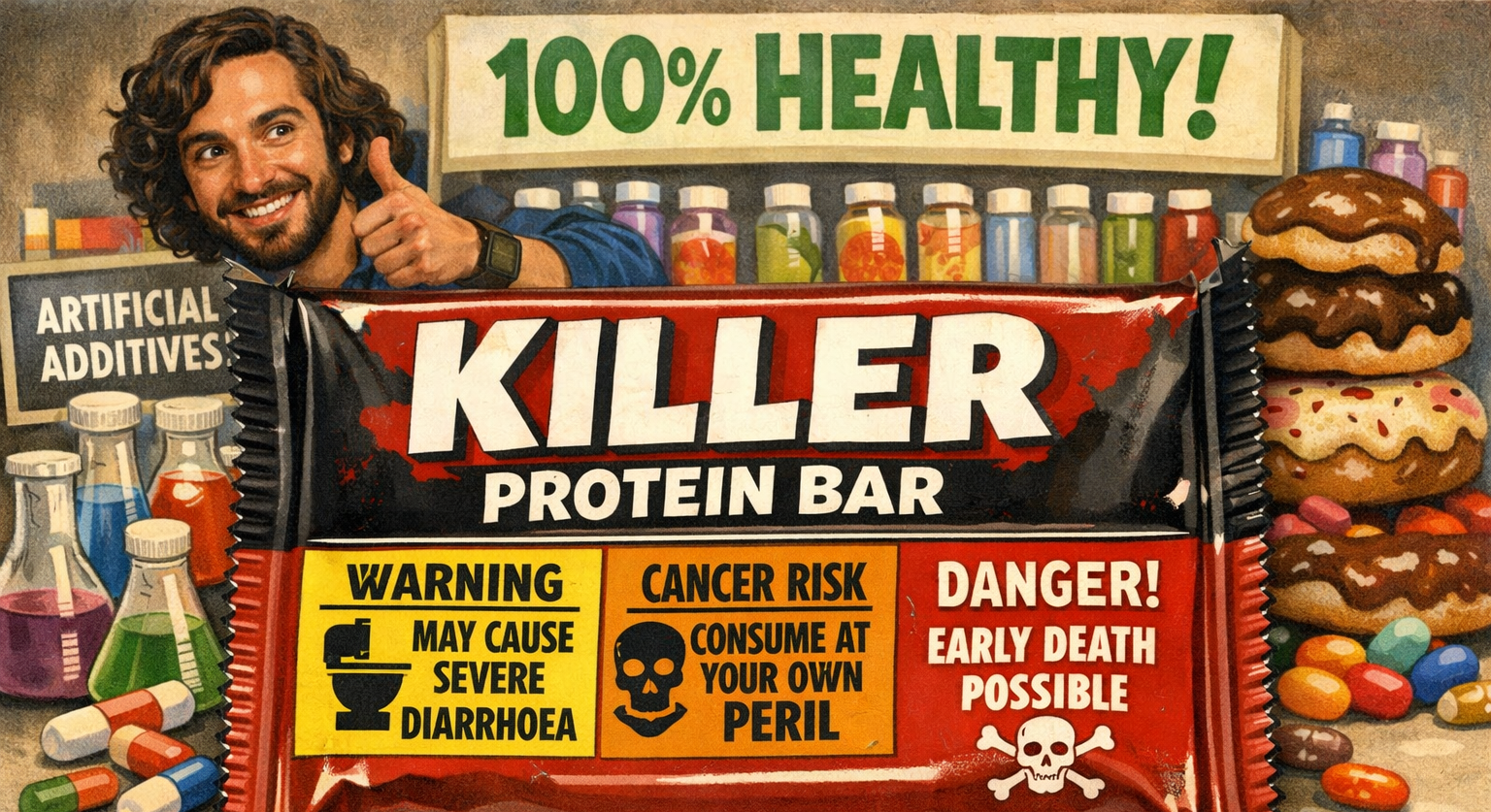
Joe Wicks’s recent “Killer” protein bar prank (complete with warning labels predicting diarrhoea, cancer and early death) sought to expose how a protein bar loaded with artificial additives could still be marketed as healthy. The stunt ignited debate but also relied on shock value and cherry‑picked data. To navigate the noise, it helps to know what ultra‑processed foods are, what the science shows and why moderation matters.
Defining the spectrum
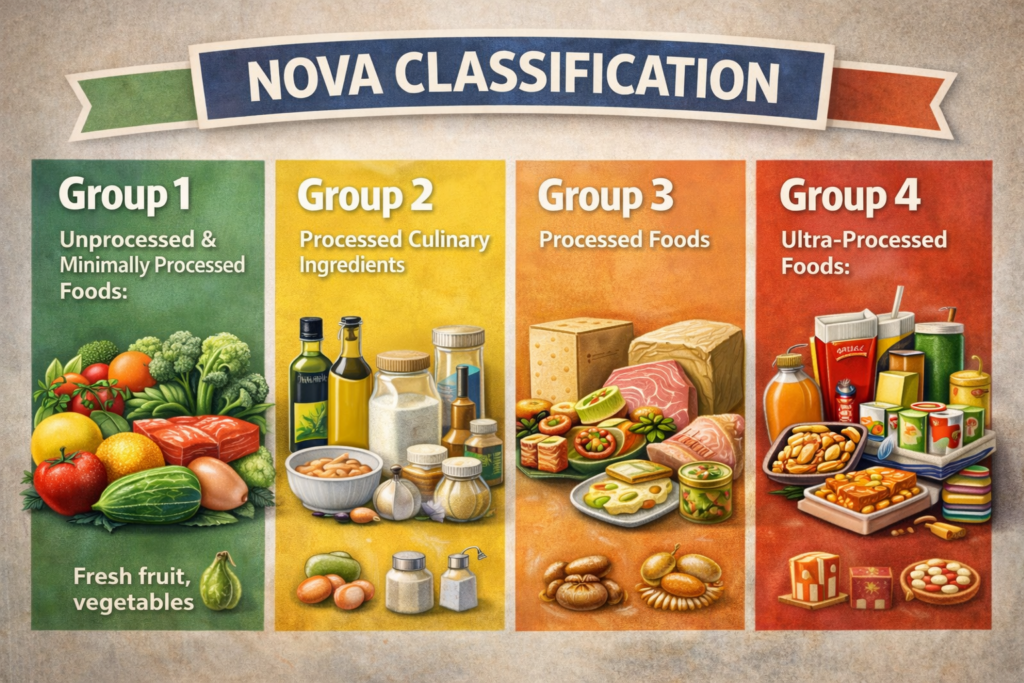
The NOVA classification splits foods into four groups, from whole foods to industrial formulations. Fresh fruit, vegetables and plain meat sit at one end, while culinary ingredients like oils and sugar and traditionally processed foods such as cheese or pickles make up the middle. Ultra‑processed foods (UPFs) are at the far end: industrial blends of refined starches, fats and sugars with additives. They include soft drinks, sweets, breakfast cereals, ready meals and many meat substitutes.
Health links and limitations
A number of large observational studies have found that people with the highest UPF consumption tend to have higher risks of obesity. An umbrella review of epidemiological meta‑analyses also associates higher UPF intake with cardiovascular disease, type 2 diabetes and early mortality. Importantly, these links are correlational: people who eat a lot of UPFs may have other lifestyle factors influencing their health.
When nutrients are equal
In a recent crossover trial, 50 adults ate two eight‑week diets following the UK Eatwell Guide: one built from minimally processed ingredients and another made up of nutrient‑balanced supermarket UPFs. Participants were provided all meals and ate as much as they liked. Both groups lost weight, but those on the minimally processed diet lost about 1 % more body weight and fat. The UPF group also saw a slight reduction in LDL cholesterol. Participants reported greater satiety on the minimally processed menu and consumed fewer calories. Scientists caution, the sample was small and largely female, and the UPF foods chosen were healthier than typical junk food.
Fear versus context
The documentary labelled certain sweeteners and emulsifiers as “gut‑destroying,” but many ingredients blamed for diarrhoea are safe at normal doses. Prunes, a whole food, contain the sugar alcohol sorbitol; eating more than 20 g a day may loosen your stool, yet a standard serving only has around 6. Chickpeas are rich in fermentable carbohydrates (FODMAPs) that can cause bloating and diarrhoea in sensitive people, while drinking more than two or three cups of coffee can speed up gut motility. All of these are natural foods; the key is quantity.
Likewise, “natural” sugar isn’t automatically healthier. Table sugar from cane or beet is a plant product, yet high intake of any added sugar – refined or unrefined – is linked to obesity and diabetes. Harvard experts note that natural and refined sugars are metabolised identically, so the total amount of added sugar matters more than its origin.

Balanced choices
UPFs span a wide range: confectionery and fizzy drinks, yes, but also fortified cereals, plant‑based meats and zero‑sugar drinks. Having a ready meal or protein bar occasionally won’t “kill” you. A diet dominated by energy‑dense, highly processed foods, however, may make it harder to control calories and could crowd out nutrient‑rich options. Conversely, incorporating some UPFs – like a high‑protein bar on the go or zero‑sugar drinks to help reduce calorie intake – can be useful.
At Amovida, we emphasise empowerment over fear. Build your meals around whole foods such as fruits, vegetables, pulses, whole grains and lean proteins. Use processed foods strategically for convenience or extra nutrients. Read labels, question marketing claims and remember that the dose makes the poison. Whether it’s sorbitol in prunes, FODMAPs in chickpeas or the sweeteners in your protein bar, context and moderation are what truly matter.
In short: UPFs aren’t inherently evil; the research shows associations with health risks but no magic bullet. If your goal is weight management or overall health, prioritise minimally processed foods to stay fuller for longer and keep nutrient density high. But you don’t have to fear every additive or bar – balance and evidence should guide your choices.
Be The First To Comment