
from the studio

AN ARTICLE BY ALLY TAYLOR
For many women, the pelvic floor is something they don’t think about, until it starts causing trouble. Leaks when you laugh, a dragging sensation after a long day, or the diagnosis of a prolapse are common ways it shows up. The good news is that your pelvic floor, like any other muscle group, responds to training. And yes – you can work it in everyday fitness classes, once you know how.
Why the Pelvic Floor Matters
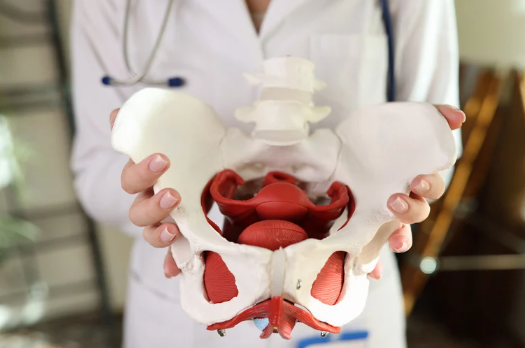
The pelvic floor is a multi layer sling of muscles and connective tissue that supports the bladder, bowel, and uterus. It looks like a figure of 8. When it’s working well, it holds everything in place, responds to pressure when you cough or lift, and relaxes when you need it to. When it isn’t, leaks and prolapse symptoms can appear.
First Line: Kegels
Research is very clear: pelvic floor muscle training (Kegels) is first-line treatment for women with incontinence, prolpase or low-tone pelvic floors. National guidance recommends 8–12 contractions, three times a day, for at least three months, ideally under the supervision of a pelvic-health physiotherapist. For many women, that consistency alone is enough to improve symptoms and restore confidence. A great tool to help you stay on track is the NHS Squeezy app, which provides reminders, exercise guides, and progress tracking to support daily practice.
Around 1 in 10 women have the opposite problem – a high-tone pelvic floor, where the muscles are uable to relax and painful. In these cases, Kegels aren’t suitable. The only way to know your muscle tone for sure is through an internal exam with a specialist physio. It is 100% outside the remit of any fitness professional. That’s why, if you’re unsure, it’s always wise to get checked.
The Myth of the “Don’t List”
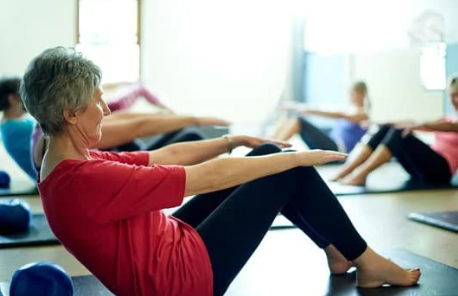
You may have read that women with pelvic floor problems should never lift weights, never run, never jump. The reality is more nuanced. Laboratory studies measuring pressure inside the abdominal cavity (peritoneum) show that the same exercise can create very different responses in different women. For one woman a squat might overload the pelvic floor; for another it might actually support it.
So rather than living by strict “do” and “don’t” lists, the best guide is your own body. If you feel heaviness, fullness, bulging, or dragging in the vagina during or after an exercise, put that move on your personal “don’t list.” If you feel fine, you can usually carry on.
Strength Is Protective
The pelvic floor is made of muscle. And like any muscle, it adapts to gradual load. That’s why resistance training, when built up steadily and combined with good breathing can actually improve pelvic floor resilience. Think of it as progressive overload for your most important “core.” The key is to start light, avoid holding your breath, and pay attention to what your body tells you.
Other Factors to Know
Certain factors make pelvic floor problems more likely: pregnancy and childbirth (especially multiple or larger babies), advancing age and menopause (collagen changes), higher body weight, and chronic coughing or constipation. These don’t mean problems are inevitable, but they do highlight why consistency with pelvic floor training is so important.
Some early research suggests hip positions can influence pelvic floor activation. For example, lifting a knee out to the side in standing may increase low to moderate activation of the pelvic floor. These findings aren’t strong enough to become a prescription and are certainly not a replacement for gold standard kegels, but there’s no harm experimenting if it feels good for you.
Be The First To Comment